Planning ahead
The cheapest moment to decide how you hire a plumber is before you need one.
Updated .
These nine decisions cover deposits, licenses, permits, plans, warranties and how you pay. Many of the rules change at the state line, so each page names the place it is talking about, and state rules collects them.

- Pay a deposit or none at all?
- Deposit: larger contracted jobs and parts ordered only for you
- No deposit: short repairs using parts already on the truck
- Licensed plumber or someone cheaper without a license?
- Licensed plumber: permit work, pipes in walls, anything you cannot easily undo
- Cheaper, no license: tiny tasks your state allows, with no permit needed
- Permit or no permit?
- Permit: new fixtures, pipe replacement, and work your city lists
- No permit: work your local office confirms is exempt
- Service plan or pay per visit?
- Service plan: owners who want scheduled checks and read the terms
- Pay per visit: most homes with few calls and some savings

- Home warranty or money set aside?
- Home warranty: buyers without a cushion who have read the exclusions
- Money set aside: anyone who can build a fund and pick plumbers

- Pay the plumber by card, check or cash?
- Card: most jobs, especially larger ones or unfamiliar firms
- Check: firms not taking cards, made out to the business
- Cash: small settled bills with a signed receipt, if at all

- The plumber's financing or your bank?
- Plumber's financing: anyone who has compared it and found better written terms
- Your bank: most planned jobs, where you have time to shop

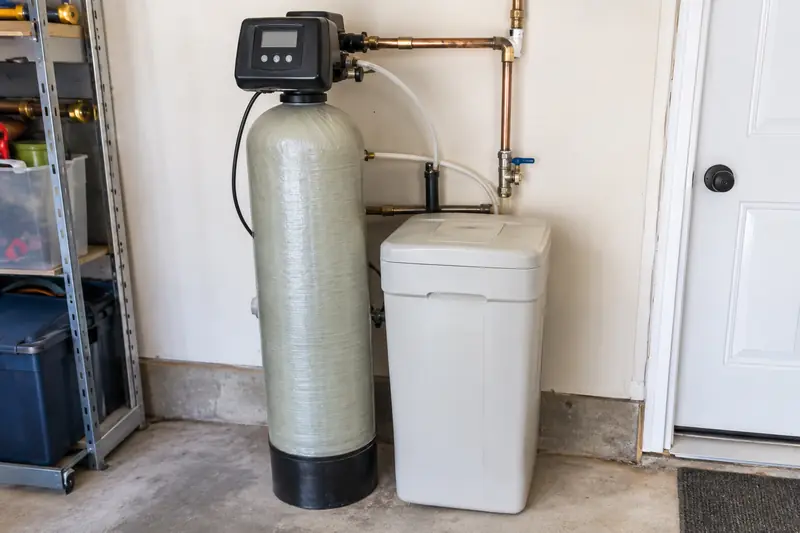
- Water softener through the plumber or bought separately?
- Through the plumber: one firm answering for unit and fitting
- Bought separately: buyers who compare models and hire fitting apart
- WaterSense or standard fixtures?
- WaterSense fixtures: replacing anyway and wanting lower water use
- Standard fixtures: matching an existing look when no labeled option fits